🇮🇹Italy
Income-based tuition, the DSU scholarship and historic universities: Italy puts Europe within reach.
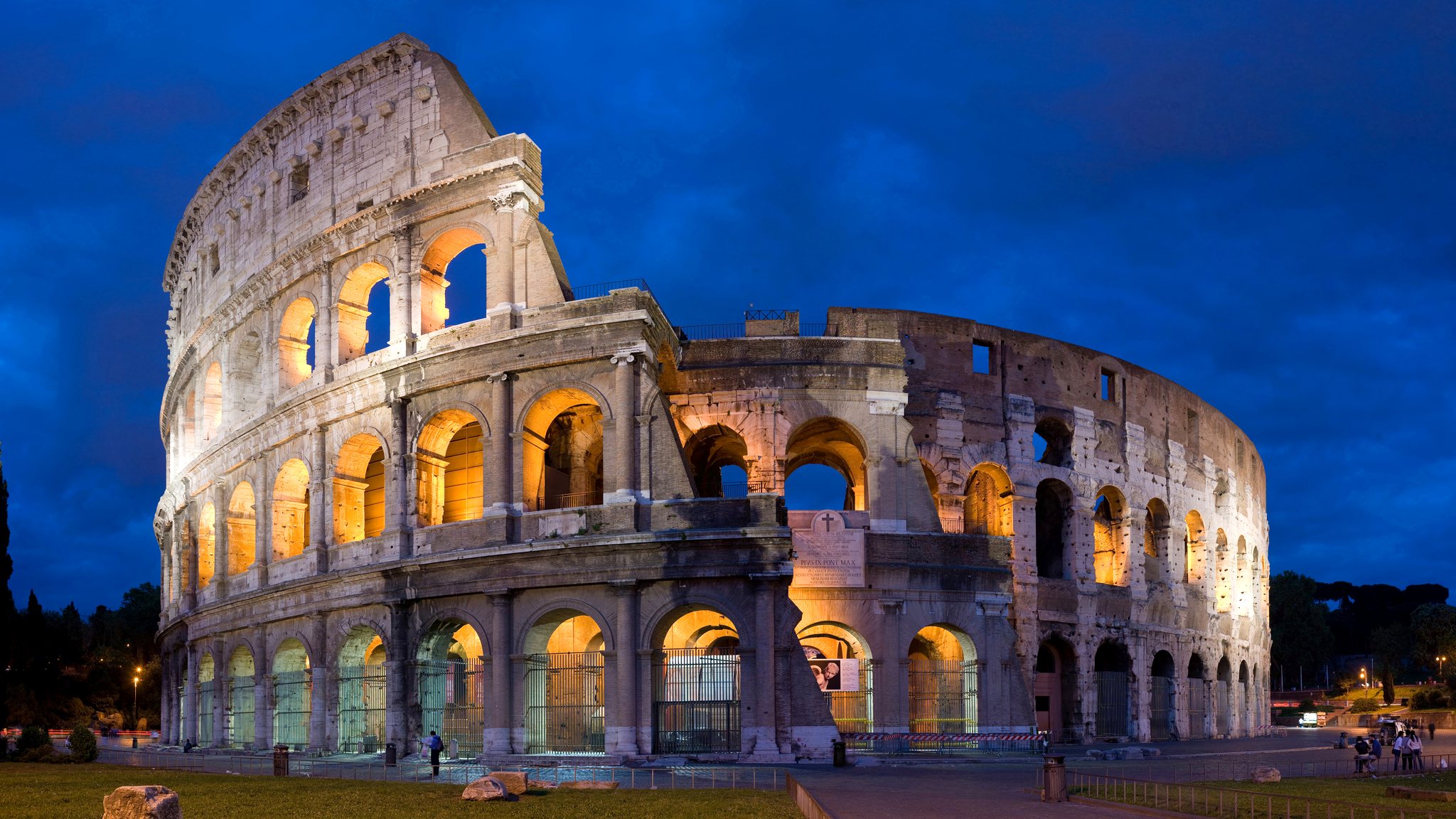
Italy combines some of the world’s oldest universities with public tuition calculated on your family’s income: many students study there for less than €1,000 a year, a 90-minute flight from Tunis.
Why Italy?
- Tuition based on your incomeAt public universities, fees (€500 to 3,000/yr) depend on your family’s ISEE income indicator: the more modest your means, the less you pay.
- The DSU regional scholarshipTuition waiver, housing and university meals for eligible students: the DSU scholarship can cover most of everyday life on the ground.
- A respected academic traditionBologna (Europe’s oldest university), La Sapienza, Politecnico di Milano: degrees recognized across the whole European Union.
- 500+ programs in EnglishEngineering, design, economics: the English-taught offering grows every year, especially at master’s level.
Admission requirements
- Baccalaureate (for a bachelor’s) or bachelor’s degree (for a master’s)
- Online pre-enrollment on the Universitaly platform
- Transcripts translated and legalized (declaration of value)
- Language proof: Italian B1/B2 or English IELTS/TOEFL depending on the program
- CV and motivation letter
- Entrance exam for some tracks (medicine, architecture)
The student visa (type D) requires an admission letter, proof of funds of about €470/month and housing. Allow 3 to 6 weeks for processing: we prepare the complete file with you.
Your monthly budget at a glance
| Item (outside Milan) | Range |
|---|---|
| Room in a university residence | €250 – 450 |
| Room in a shared flat | €300 – 550 |
| Food | €150 – 250 |
| Transport (student pass) | €25 – 45 |
| Phone, internet & extras | €35 – 60 |
| Going out & leisure | €70 – 140 |
| Estimated total | €650 – 950 /month |
Plan on €1,000 to 1,400/month in Milan. The DSU scholarship and university canteens sharply reduce the bill for scholarship holders.
Frequently asked questions
Can I work while I study?
Yes: up to 20 hrs/week with the student residence permit. Food service, tutoring and paid internships are the most common jobs.
Is my Tunisian baccalaureate accepted?
Yes, through the “dichiarazione di valore” (declaration of value) issued by the Italian embassy in Tunis. We handle this step with you.
Do I need to speak Italian?
Not necessarily: more than 500 programs are taught in English. Italian-taught tracks require a B1/B2 level (CILS or CELI certifications).
Which scholarships can I aim for?
The DSU regional scholarship (tuition, housing, meals), Italian government scholarships (MAECI) and university awards. Every application we prepare includes a scholarship strategy.
Can I stay in Italy after graduating?
Yes: a 12-month “attesa occupazione” residence permit gives you time to find a job after graduation.
Figures and rules verified at the time of publication: fees, scholarships and visa conditions change regularly. Every detail is confirmed with you, up to date, during the consultation.
Let’s talk about your Italy project.
Thirty minutes with a dedicated advisor: your profile, your budget and a clear action plan. No obligation.
More destinations


Your future starts with a conversation.
Book your free consultation: a dedicated advisor listens to your project and offers you a clear plan, with no obligation.