🇩🇪Germany
Zero tuition at public universities and 18 months to find a job after graduation.
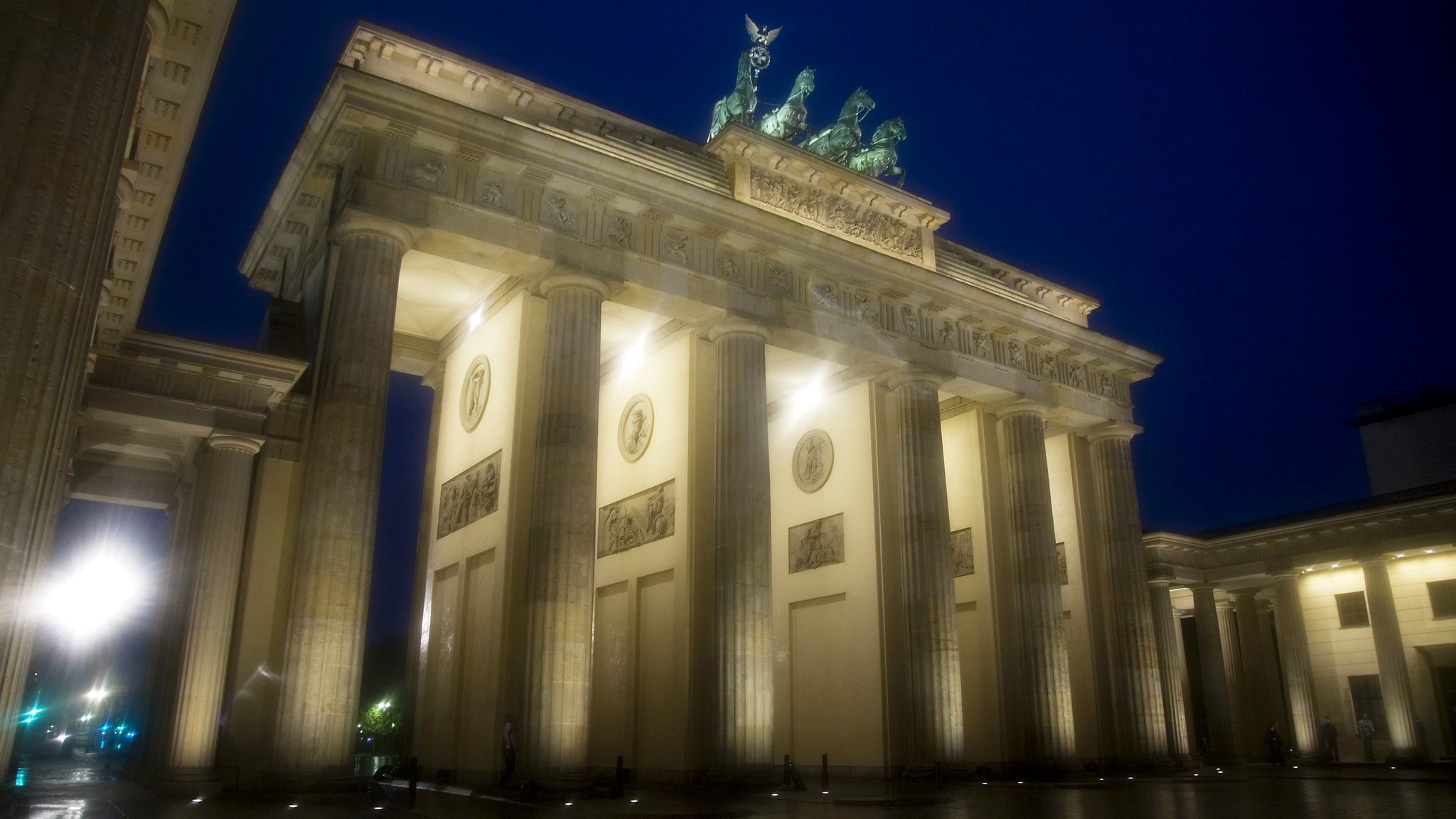
Study tuition-free in Europe’s largest economy: German public universities are practically free, and the country is actively recruiting engineers, IT specialists and healthcare professionals.
Why Germany?
- Zero tuition feesPublic universities only charge a semester contribution of €150 to 350, with public transport often included.
- A job market that hiresEngineering, IT, healthcare: Germany makes it easy for international graduates to get hired, with 18 months to find a position after graduation.
- 2,000+ programs in EnglishMostly at master’s level: you can start in English and perfect your German once you are there.
- Work while you study140 full working days per year: from minijobs to well-paid, CV-building “Werkstudent” positions in companies.
Admission requirements
- Baccalaureate with strong grades; depending on the field, a year of Studienkolleg (preparatory program) may be required
- Language proof: German B2/C1 (TestDaF, DSH) or English (IELTS) depending on the program
- Translated, certified transcripts
- Application via uni-assist or directly to the university
- Blocked account (Sperrkonto) of about €11,900 for the visa
The student visa requires admission (or a Studienkolleg place), the blocked account and health insurance. Allow 6 to 12 weeks for processing: we file early and follow up on every step.
Your monthly budget at a glance
| Item | Range |
|---|---|
| Residence hall room (Studentenwerk) | €250 – 400 |
| Shared flat (WG) | €350 – 600 |
| Food | €180 – 280 |
| Transport (often included) | €0 – 50 |
| Student health insurance | €120 – 130 |
| Going out & extras | €100 – 180 |
| Estimated total | €850 – 1,100 /month |
The blocked account amount (about €992/month) matches the official budget. Berlin and Munich cost more than Leipzig, Dresden or Aachen.
Frequently asked questions
Can I work while I study?
Yes: 140 full days per year. “Werkstudent” positions in companies pay €13 to 17/hr and count as professional experience on your CV.
Is my Tunisian baccalaureate accepted?
Depending on your grades and field, entry is either direct or via a year of Studienkolleg. We assess your profile from the very first consultation.
Do I need to speak German?
Not for English-taught master’s programs. At bachelor’s level, most tracks are in German (B2/C1 required): we plan the language preparation with you.
How does the blocked account work?
About €11,900 is deposited before the visa application, then released at €992/month once you arrive. Alternatives exist (a sponsor, a scholarship).
Can I stay in Germany after graduating?
Yes: 18 months to look for a job, then the EU Blue Card. Germany is actively seeking qualified international graduates.
Figures and rules verified at the time of publication: fees, scholarships and visa conditions change regularly. Every detail is confirmed with you, up to date, during the consultation.
Let’s talk about your Germany project.
Thirty minutes with a dedicated advisor: your profile, your budget and a clear action plan. No obligation.



Your future starts with a conversation.
Book your free consultation: a dedicated advisor listens to your project and offers you a clear plan, with no obligation.