🇨🇦Canada
French-speaking Montréal, 24 hours of work a week and up to 3 years of post-graduation work permit.
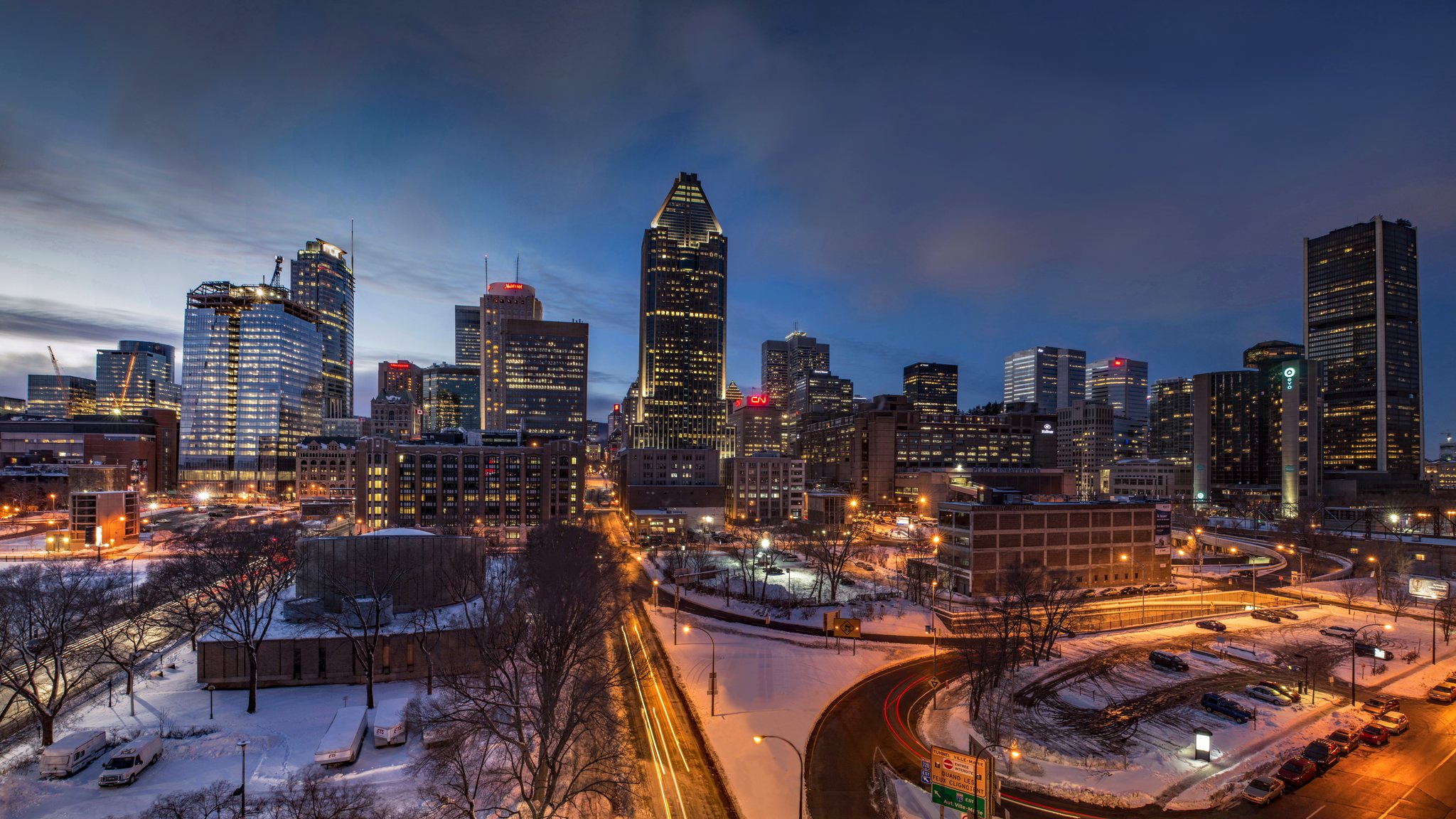
Montréal, the largest French-speaking university city in the Americas, a 3-year work permit after graduation and a clear path to permanent residency: Canada is the ultimate long-term investment.
Why Canada?
- In French or in EnglishMontréal and Québec City offer both: UdeM, UQAM and Laval in French; McGill and Concordia in English.
- Work during and after24 hrs/week during term, full time in summer, then the Post-Graduation Work Permit (PGWP) for up to 3 years.
- Immigration you can plan forQuébec and the federal government both value local graduates: studying in Canada is often the first step toward settling there.
- A safe place to liveSafety, multiculturalism, quality of life: Montréal ranks among the world’s best student cities year after year.
Admission requirements
- Baccalaureate with a strong record: admission comes down to your grades
- Translated, certified transcripts
- Proof of language: French (TEF/TCF) or English (IELTS/TOEFL) depending on the institution
- CAQ (Certificat d’acceptation du Québec), then the federal study permit
- Proof of funds: tuition plus around CAD 15,000/year for living costs
Allow 2 to 4 months for the CAQ-then-study-permit chain: it is the longest process in our atlas. We file the applications as soon as your admission is confirmed.
Your monthly budget at a glance
| Expense (Montréal) | Range |
|---|---|
| Room in a shared flat | CAD 450 – 750 |
| University residence | CAD 500 – 900 |
| Food | CAD 300 – 450 |
| Transport (student OPUS card) | CAD 50 – 100 |
| Phone, internet & extras | CAD 60 – 100 |
| Going out & leisure | CAD 100 – 200 |
| Estimated total | CAD 1,200 – 1,600 /month |
The real cost driver is tuition (CAD 17,000 to 30,000 per year depending on the program): tuition-exemption scholarships and student work help absorb it.
Frequently asked questions
Can I work during my studies?
Yes: 24 hrs/week off campus during term and full time during breaks, with no separate work permit.
Can I stay in Canada after graduation?
Yes: the PGWP (up to 3 years), then Québec’s programs or Express Entry lead to permanent residency. That is Canada’s great strength.
Is French enough?
Yes, in Montréal and Québec City: full degree programs in French. English remains a plus for internships and student jobs.
Which scholarships can I aim for?
University tuition-exemption scholarships (which reduce international fees), merit scholarships and research assistantships at master’s level.
What about the cold?
Winter is real (often -10 to -20 °C) but everything is built for it: the metro, indoor walkways, well-heated housing. You get used to it faster than you would think.
Figures and rules verified at the time of publication: fees, scholarships and visa conditions change regularly. Every detail is confirmed with you, up to date, during the consultation.
Let’s talk about your Canada project.
Thirty minutes with a dedicated advisor: your profile, your budget and a clear action plan. No obligation.



Your future starts with a conversation.
Book your free consultation: a dedicated advisor listens to your project and offers you a clear plan, with no obligation.